Home Window Tinting: Benefits, Costs, and Tips
Explore home window tinting: benefits, types, costs, and legal tips for smarter solar control.
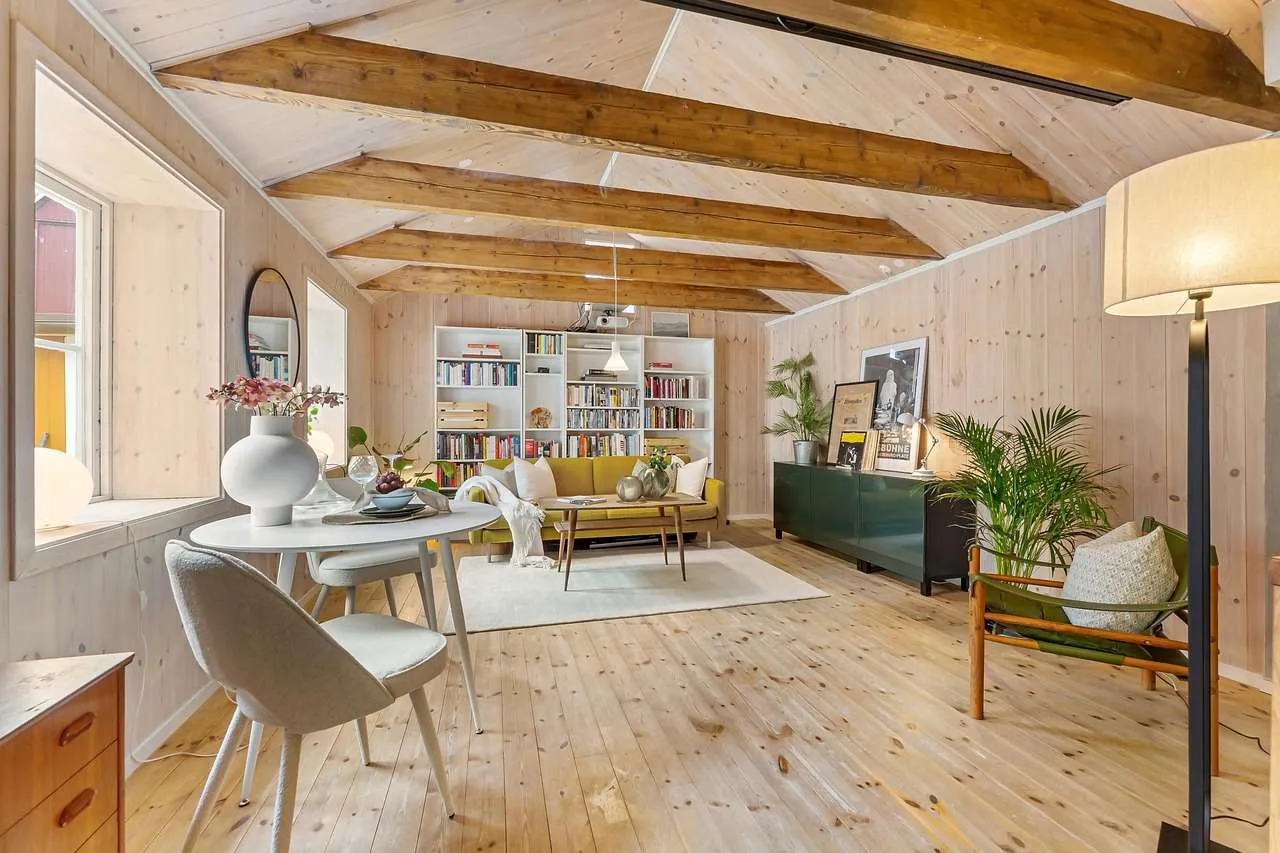
Home window tinting is a practical upgrade for modern homes, delivering comfort, energy savings, and protection for people and furnishings. This guide explains how tinting works, the options available, and how to choose a reputable installer to ensure you get lasting results.
What is home window tinting?
Home window tinting uses a thin film applied to interior or exterior glass that selectively blocks sunlight. Modern films are designed to reject infrared heat, limit glare, and reduce ultraviolet radiation while maintaining visible light. Tinting can be installed on most residential windows, including double-pane and low-emissivity (low-E) units, and is typically done by certified installers to ensure an even finish and warranty protection.
Benefits of home window tinting
Tinting provides several tangible advantages that align with energy efficiency, health, and comfort goals:
- UV protection for people and furnishings by blocking up to 99% of ultraviolet rays, helping prevent fading and skin exposure.
- Energy efficiency through solar control that reduces heat gain in summer and heat loss in winter, which can lower cooling and heating loads.
- Glare reduction for comfortable TV watching and reading in bright rooms.
- Enhanced privacy without sacrificing natural light, particularly on ground-floor windows and street-facing rooms.
- Improved window safety and furniture protection as some films add a layer of resilience against breakage and scratches.
Types of window tinting for homes
There are several film technologies, each with trade-offs in performance and cost:
- Dyed films: Affordable and great for privacy, but with moderate durability and limited IR rejection.
- Metallized films: Good glare control and strength, but can interfere with electronic signals if not installed properly.
- Ceramic films: High heat rejection, clear visibility, and strong durability; typically the premium option.
- Hybrid films: A balance between cost and performance, offering decent heat rejection and improved durability.
Legal and compliance considerations
Before tinting, check local regulations, homeowner association guidelines, and window film warranty requirements. Some jurisdictions limit the minimum Visible Light Transmission (VLT) for street-facing windows or require compliance labeling. An experienced installer will verify the film’s VLT rating and ensure your installation complies with codes and HOA covenants while preserving your security and aesthetics.
Choosing an installer
To ensure quality and EEAT-compliant results, hire a licensed, insured professional with a track record in home window tinting. Look for:
- Certifications from recognized associations and manufacturer training.
- Evidence of previous work through photos and client testimonials.
- Clear warranties covering film performance, adhesion, and labor.
- Written quotes with details on film type, visible light transmission, and warranty terms.
Cost, ROI, and maintenance
Costs vary by window size, film type, and installation complexity. On average, residential window tinting ranges from modest to premium options. Expect to pay a few dollars per square foot for basic dyed films and more for ceramic or hybrid films, plus installation. A typical ROI comes from energy savings, reduced glare, and furniture protection. Maintenance is straightforward: clean with non-ammonia cleaners and a soft cloth; avoid abrasive tools and harsh solvents that can scratch the film. Periodic inspections help catch edge lifting or bubbling early, and timely re-application may be required after a number of years, depending on film quality and climate.
Tint type comparison
| Dyed | High privacy | Moderate UV rejection | Low to moderate cost | Moderate durability |
| Metallized | Good privacy | High UV/IR rejection | Mid to high cost | High durability |
| Ceramic | Excellent privacy | Very high UV/IR rejection | High cost | Very durable |
| Hybrid | Balanced privacy | High UV/IR rejection | Mid to high cost | Good durability |
Using a reputable installer and selecting the right film type for your climate and sun exposure will maximize comfort and savings over time. Document your baseline energy bills and compare them after installation to quantify the ROI.
Conclusion, Home window tinting is a practical upgrade that blends energy efficiency, UV protection, and privacy. By understanding tint options, costs, and how to vet installers, homeowners can secure a trusted and effective solution that enhances comfort and protects furnishings while meeting local requirements.