Repair of Roofing: Expert Guide to Fix Roofs
Comprehensive guide to repair of roofing, from signs of damage to hiring experts and safe repairs.
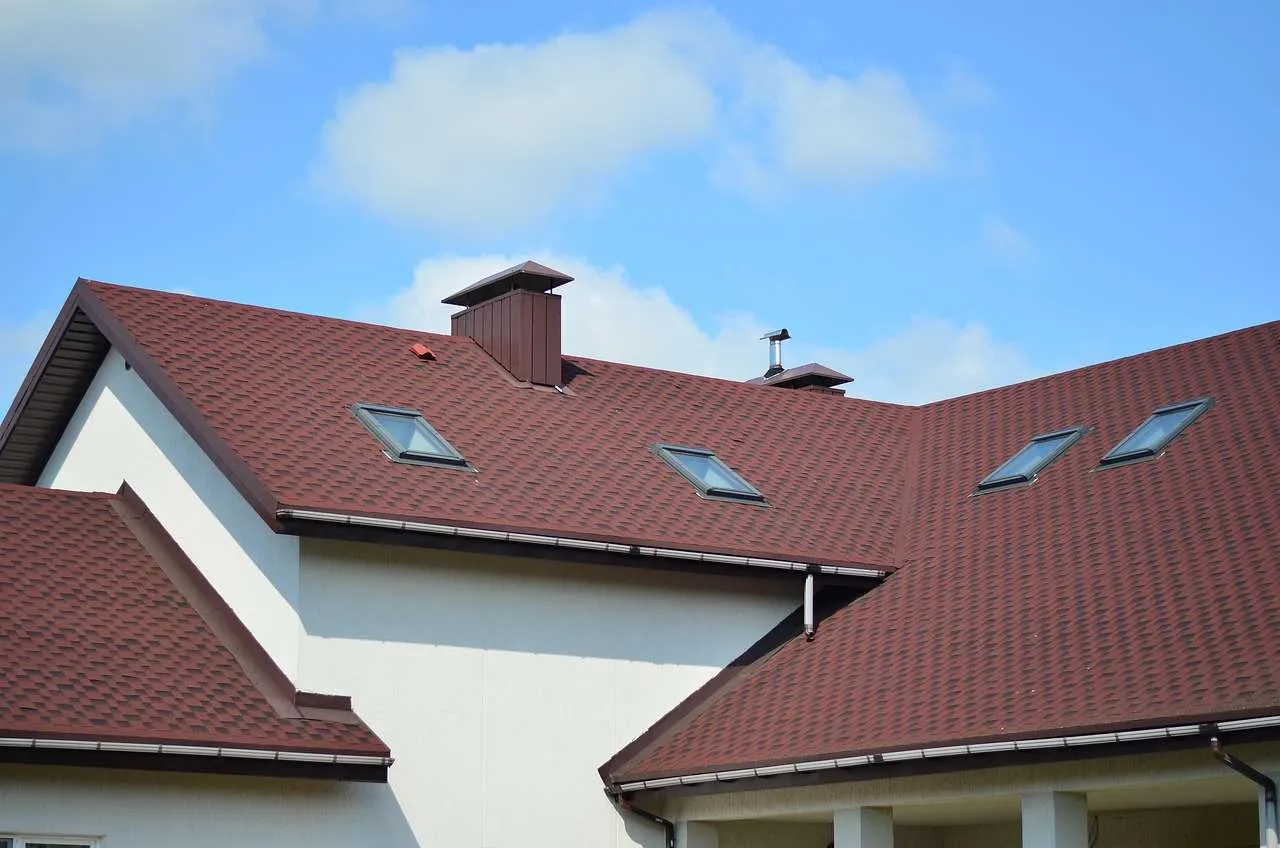
The repair of roofing is a crucial safeguard for homes. When addressed promptly and correctly, it protects interiors, preserves structural integrity, and sustains property value. This guide combines expert insights on assessing damage, choosing repair methods, and hiring qualified professionals to ensure durable results that meet safety standards and building codes.
When is a roof repair necessary?
Identifying the need for repair early can prevent bigger problems. Look for these signs:
- Curled, cracked, or missing shingles
- Water stains on ceilings or walls
- Light visible in the attic through the roof planes
- Granules in gutters or downspouts
- Damaged or missing flashing around chimneys and vents
- Sagging or soft spots on the roof deck
If you notice any of these indicators, schedule a professional inspection. A trained roofer can distinguish between cosmetic issues and structural concerns, and determine whether a repair or a more extensive fix is required.
Common repair methods you may encounter
Shingle replacement
Damaged or missing shingles are the most frequent repair. A roofer will carefully remove the affected shingles, inspect the underlayment, and install new shingles with proper alignment and weatherproof sealant.
Flashing and leak repairs
Flashing around chimneys, vents, and skylights protects against leaks. Leaks often originate at flashing joints, requiring resealing, flashing replacement, or membrane repair to restore a seamless barrier against water intrusion.
Vent and chimney flashing
Vent pipes and chimney sides can corrode or separate from the roofing surface. Correct repair involves resealing joints, replacing damaged flashing, and ensuring proper vent clearance to prevent condensation and moisture intrusion.
Roof deck and underlayment repairs
If the sheathing or underlayment is compromised, it must be replaced or reinforced. This ensures the roof remains structurally sound and provides a reliable base for shingles or other roofing materials.
DIY vs professional repair: safety, codes, and quality
Minor, low-risk tasks on flat sections or with robust fall protection may be manageable for experienced DIY enthusiasts. However, roof work on pitched surfaces, in windy conditions, or near electrical hazards poses serious fall and injury risks. Building codes, warranty requirements, and insurance coverage often necessitate professional work for lasting results and documentation for resale or taxation purposes. A licensed roofer can assess roof age, drainage, ventilation, and insulation to prevent recurring issues.
How to choose a roofing contractor
To ensure Expertise, Authoritativeness, and Trustworthiness (EEAT) in your selection, consider the following steps:
- Verify licensing and insurance coverage, including general liability and workers’ compensation.
- Ask for a written estimate with scope of work, materials, and warranty details.
- Check recent client references and online reviews from local homeowners.
- Confirm project timelines, cleanup plans, and jobsite safety practices.
- Look for manufacturers’ certifications or preferred installer status for quality materials.
Always obtain multiple quotes and avoid unusually low bids, which can hide cheap materials or subpar workmanship. A reputable contractor will perform an on-site inspection before quoting and provide a clear contract with payment schedules tied to milestones.
Cost factors and timelines
Repair costs vary by roof type, extent of damage, accessibility, and local labor rates. Common factors include material type, shingle quality, underlayment needs, and whether structural repairs are required. Here are typical considerations:
- Minor shingle touch-ups or resealing: lower end of the spectrum
- Moderate leaks and flashing repairs: moderate range
- Extensive deck damage or multiple zones: higher range
- Repair vs replacement: repairs are cheaper upfront but may extend life only temporarily; replacements are larger investments with longer-term returns
As a rule of thumb, the cost for common repairs can range from a few hundred dollars to several thousand, depending on the scope. A professional assessment is the best way to obtain an accurate estimate and avoid overpaying or underestimating the work required.
Maintenance tips to extend roof life
Proactive maintenance reduces the frequency and scope of repairs. Consider these practices:
- Keep gutters clean and assure proper drainage to prevent standing water along the edges
- Inspect roof edges after storms and promptly address loose or damaged shingles
- Trim overhanging branches to minimize moisture retention and physical damage
- Schedule professional inspections after severe weather or seasonal transitions
- Ensure attic ventilation and insulation prevent heat buildup and condensation
Documented maintenance creates a reliable history that supports insurance and resale value while guiding future repairs.
Comparison: DIY repair vs professional repair
| Aspect | DIY Repair | Professional Repair |
|---|---|---|
| Safety | Varies; uses available gear | Higher safety standards and equipment |
| Code compliance | Often uncertain | Ensures code-compliant work |
| Durability | Depends on skill and materials | Often longer-lasting, with warranties |
| Warranty | Usually none | Provided by contractor and material makers |
| Cost | Lower upfront | Higher upfront but better value over time |
Choosing between DIY and professional repair depends on the roof type, height, and your comfort with risk. For most homeowners, a professional assessment provides a reliable path to safety, compliance, and a warranty-backed outcome.
Conclusion
Conclusion, addressing roof issues promptly with expert assessment and proper repairs minimizes damage, protects your home, and preserves value. Prioritize professional inspections for leaks, flashing, and structural concerns, and follow preventive maintenance to extend roof life. With careful material choice, clear contracts, and adherence to safety practices, you can achieve durable results and peace of mind.